-
-
-
-
Three Books Of Occult Philosophy Or Magic
-
- 301 views 5 years ago
-
Three Books of Occult Philosophy or Magic is a classic work by Heinrich Cornelius Agrippa, first published in the early 16th century. This book is considered one of the most influential texts on Western occultism, mysticism, and magic. It presents an extensive compilation of esoteric knowledge, covering a wide range of subjects, including astrology, alchemy, theurgy, Kabbalah, and divination.
The three books are structured as follows:
The First Book: Focuses on the natural magic, exploring the powers of the elements, celestial bodies, and the inherent properties of physical substances. Agrippa delves into the concept of sympathetic magic and the influence of the macrocosm (the universe) on the microcosm (individuals).
The Second Book: Discusses the principles of celestial and spiritual magic. It explores the relationship between humans and the stars, as well as the significance of angels and other spiritual beings. This book also covers the use of rituals, symbols, and other tools to invoke and control supernatural forces.
The Third Book: Examines divine magic, including the more religious aspects of occultism. It emphasizes the power of prayer, the use of divine names, and the concept of the soul's connection to higher spiritual realms.
Agrippa’s work is both a synthesis of ancient occult traditions and a source of inspiration for later generations of occultists, alchemists, and magicians. It is a significant contribution to the development of Western esotericism and remains a key reference in the study of occult philosophy.
Find more books: https://www.pdfdrive.com/

-
-
-
-
-
-
- Greek Dictionary Of The New Testament by James Strong
- R0n
- 141 views 12 months ago
-
-
-
-
- Simon Dovey - Eye of the Chickenhawk
- R0n
- 151 views 12 months ago
-
-
-
-
- Phoenician-Punic Dictionary by Charles R Krahmalkov
- R0n
- 162 views 12 months ago
-
-
-
-
- Stories from Ancient Canaan, Second Edition - Michael D Coogan, Mark S Smith, Mark S Smith, Michael D
- R0n
- 36 views 2 months ago
-
-
-
-
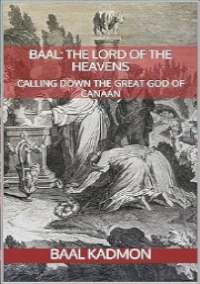
- Baal: The Lord of the Heavens: Calling Down the Great God of Canaan
- R0n
- 34 views 2 months ago
-
-
-
-
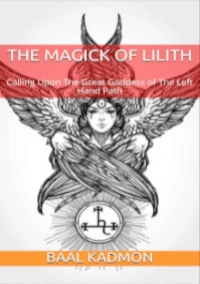
- The Magick Of Lilith: Calling Upon the Goddess of the Left Hand Path
- R0n
- 41 views 2 months ago
-
-
-
-
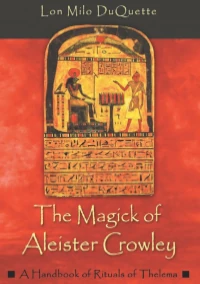
- The Magick of Thelema - A Handbook of the Rituals of Aleister Crowley
- R0n
- 183 views 12 months ago
-
-
-
-
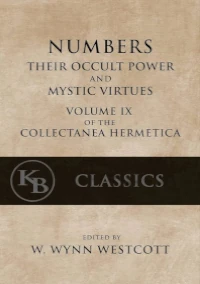
- Numbers Their Occult Power and Mystic Virtues
- R0n
- 173 views 12 months ago
-
-
-
-
- Cassell's Latin Dictionary Latin-English & English-Latin
- R0n
- 156 views 12 months ago
-
-
-
-
- The Dead Sea Scrolls Bible - The Oldest Known Bible Translated for the First Time into English
- R0n
- 183 views 12 months ago
-
-
-
-
- A Dictionary of Ancient Near Eastern Mythology
- R0n
- 139 views 12 months ago
-
-
-
-
- Handbook of Egyptian Mythology
- R0n
- 167 views 12 months ago
-
-
-
-
- The Secret Science of Numerology - The Hidden Meaning of Numbers and Letters
- R0n
- 188 views 12 months ago
-
-
-
-
- Sumerian Mythology
- R0n
- 168 views 12 months ago
-
-
-
-
- Massilia-Carthago Sacrifice Tablets Of The Worship Of Baal
- R0n
- 42 views 2 months ago
-
-
-
-
- A Phoenician-Punic Grammar
- R0n
- 142 views 12 months ago
-
-
-
-
- The Cambridge History of Judaism, Vol 4 The Late Roman-Rabbinic Period
- R0n
- 182 views 12 months ago
-
-
-
-
- Beelzebub: A History - Baal Kadmon
- R0n
- 37 views 2 months ago
-
-
-
-
- Canaanite Myths and Legends (Academic Paperback)
- R0n
- 139 views 12 months ago
-
-
-

-
- Les Dossiers X - English AI Translation
- R0n
- 47 views 2 months ago
-
-
-
-
- In Search of the Phoenicians
- R0n
- 168 views 12 months ago
-
-
-
-
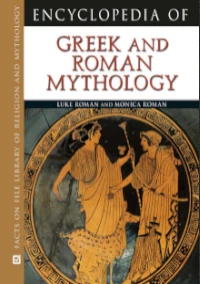
- Encyclopedia of Greek and Roman Mythology
- R0n
- 177 views 12 months ago
-
-
-
-
- A Grammar of the Phoenician Language
- R0n
- 176 views 12 months ago
-
-
-
-
- Sumer and the Sumerians
- R0n
- 172 views 12 months ago
-
-
-

-
- Madonna - Sex
- R0n
- 180 views 12 months ago
-
-
-

-
- Missing 411 - North America and Beyond by David Paulides
- R0n
- 147 views 12 months ago
-
-
-
-
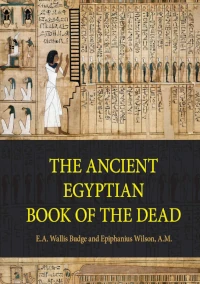
- The Ancient Egyptian Book of the Dead - Prayers, Incantations, and Other Texts from the Book of the Dead
- R0n
- 187 views 12 months ago
-
-
-
-
- The Master's Carpet or Masonry and Baal-Worship Identical
- R0n
- 50 views 2 months ago
-
-
-
-
- An Encyclopedia Of Freemasonry 1916 Vol 1 - A G Mackey
- R0n
- 147 views 12 months ago
-
-
-
-
- The Lost Key - An Explanation Of Masonic Symbols
- R0n
- 144 views 12 months ago
-
-
-